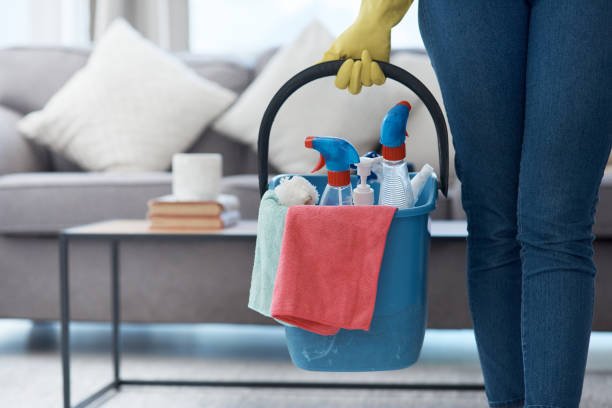

Choosing how often to have your home professionally cleaned can be more difficult than it sounds. A family with two children and a dog may find that the living room floor needs attention every few days, while a person who lives alone might notice dust accumulating only after a couple of weeks. Even homes of similar size can have very different cleaning requirements.
Instead of selecting a schedule based entirely on price or availability, spend two weeks observing how your home becomes dirty. The information you collect can make discussions with CJS Cleaning Solutions more productive because you will have a clearer understanding of which tasks require frequent attention and which can wait.
This approach does not require complicated spreadsheets or detailed daily inspections. A short record of visible dirt, recurring messes, and the time spent maintaining different rooms can reveal patterns that help you choose a realistic cleaning schedule.
Begin With a Clean Starting Point
For a two-week observation period to be useful, you need to know the condition of your home at the beginning.
Start after a thorough cleaning or dedicate some time to bringing the main living areas, kitchen, bedrooms, and bathrooms to a reasonable level of cleanliness.
You do not need to empty every cupboard or wash every window. The purpose is to establish a consistent starting point from which changes can be observed.
Continue your normal daily activities throughout the two weeks. Cook as usual, follow your regular work schedule, and allow children and pets to maintain their ordinary routines.
Changing your habits during the observation period could produce misleading results. You want to understand how your home functions during a typical week rather than under unusually controlled conditions.
Create a Simple Daily Cleaning Record
Keep a notebook somewhere convenient or create a short note on your phone. At the end of each day, spend a few minutes recording areas that became noticeably dirty.
Include the room, the affected surface, the type of dirt, and whether you needed to clean it immediately. For example, you might record muddy paw prints beside the back door or toothpaste marks around the bathroom faucet.
Distinguish between minor cosmetic issues and messes that interfere with daily activities.
A dusty television stand can usually wait, but spilled food on a kitchen counter requires prompt attention.
The purpose of tracking is not to leave necessary cleaning undone. Instead, record each task when it becomes necessary and note how much effort it requires.
Identify Which Rooms Become Dirty First
By the third or fourth day, certain patterns may already become apparent. Rooms that receive frequent use will generally require attention sooner than those that remain unoccupied.
Observe the Kitchen During Normal Meal Preparation
Record how quickly grease appears around the stove, crumbs collect beneath the dining table, and fingerprints develop on frequently opened cabinets.
Notice whether daily wiping keeps the kitchen manageable or whether more detailed work begins accumulating despite your efforts.
For someone who cooks several meals each day, weekly house cleaning services may be worth considering if grease, floor debris, and other routine maintenance tasks become difficult to manage between appointments.
However, frequent cooking alone does not automatically justify a particular schedule. The deciding factor is how much work remains after your usual daily cleanup.
Pay Attention to Bathroom Usage
A bathroom shared by several people often develops soap deposits, water marks, hair, and dust faster than a guest bathroom.
Check how frequently the mirror needs wiping and whether the shower requires attention before the rest of the house becomes dirty.
Record the difference between bathrooms rather than treating them as a single category. One frequently used bathroom may need weekly attention, while another remains relatively clean for longer periods.
Compare Bedrooms and Living Areas
Bedrooms may collect dust and fabric fibers, especially around beds and upholstered furniture. Living rooms often accumulate crumbs, pet hair, and outdoor dirt carried in on clothing or shoes.
Observe which surfaces become noticeably dusty first and whether certain floor areas need repeated vacuuming.
These differences can help you establish room-specific priorities instead of applying the same cleaning requirements throughout the house.
Record the Time You Spend Cleaning Between Appointments
A room may look reasonably clean simply because you spend considerable time maintaining it every day.
This is why tracking visible dirt alone does not provide the complete picture. Record how long you spend vacuuming, washing bathroom surfaces, removing pet hair, and completing other maintenance jobs.
Separate unavoidable daily responsibilities, such as washing dishes, from larger tasks that could reasonably be delegated.
For example, spending twenty minutes vacuuming several rooms every other evening may reveal a greater need for assistance than the appearance of those rooms suggests.
When discussing appointment frequency with CJS Cleaning Solutions, share both the condition of your rooms and the amount of work required to maintain them. Together, these details provide a more accurate picture of your cleaning needs.
Use Your First Week of Observations to Identify Pressure Points
At the end of seven days, review your notes and identify tasks that appeared repeatedly.
Choosing between the weekly, bi-weekly, and monthly plans of house cleaning services charlotte nc is easier with this first-week record, because it shows which practical requirements the home actually has before a recurring schedule is committed to.
Look for three distinct patterns: jobs that arise almost daily, tasks that become necessary after several days, and areas that remain clean throughout the week.
A weekly appointment will not eliminate the need to address everyday spills or wash dishes. However, it may reduce the accumulation of more demanding work involving floors, bathrooms, and furniture.
If most rooms remain in good condition after seven days, a longer interval may be reasonable.
What the Second Week Reveals About Your Home
Continue recording observations for another seven days. During this period, pay particular attention to tasks that were manageable during the first week but become increasingly demanding during the second.
Dust may become more visible along baseboards, mineral deposits may develop around bathroom fixtures, and neglected corners may begin collecting debris.
Suppose you vacuum the main living area regularly but rarely have time to reach beneath furniture. The second week might reveal that these less accessible areas are becoming noticeably dirty.
This gradual accumulation is often a better indicator of suitable appointment frequency than isolated messes.
An unusually muddy afternoon or a large family gathering should not determine your entire cleaning schedule unless similar events happen regularly.
Match Your Findings to a Cleaning Schedule
Once the observation period ends, compare your records with the following appointment intervals.
Weekly Cleaning
A weekly schedule may suit homes where several frequently used rooms require substantial attention within seven days.
The cost of weekly house cleaning services should be weighed against the hours you currently spend maintaining those rooms and the amount of unfinished work that accumulates.
Frequent visitors, shedding pets, and busy family routines may all influence this decision.
Bi-Weekly Cleaning
Cleaning every two weeks can work well when ordinary daily maintenance keeps most surfaces presentable, but larger jobs begin accumulating during the second week.
This interval may be particularly useful when bathrooms, floors, and furniture need periodic detailed attention without requiring a full weekly visit.
Monthly Cleaning
Monthly appointments may suit people who maintain their homes independently but struggle to complete occasional, time-consuming tasks.
Your two-week record should show relatively little accumulated dirt before you consider this interval. Continue monitoring during the third and fourth weeks to confirm that a monthly arrangement is realistic.
Quarterly Cleaning
A quarterly visit is generally better considered supplementary maintenance rather than a replacement for regular cleaning.
It may provide an opportunity to address overlooked areas, such as accessible baseboards, interior doors, and furniture surfaces that require occasional detailed care.
Adjust the Schedule When Your Routine Changes
A cleaning frequency that works during one part of the year may become less practical when daily circumstances change.
Working from home increases the use of certain rooms. A new pet may introduce additional floor maintenance, while children spending more time outside the house could reduce the amount of daily mess.
Rather than treating your arrangement with CJS Cleaning Solutions as a permanent decision, review your requirements whenever a significant lifestyle change occurs.
You can repeat the observation exercise if necessary, concentrating on the rooms affected by the change.
Consider Different Priorities for Different Appointments
Not every visit needs to involve identical tasks. Frequently used bathrooms and kitchen floors may require consistent attention, while less-used bedrooms and decorative shelving can follow a different rotation.
A clearly defined scope makes house cleaning services more useful than an arrangement based solely on appointment frequency.
Discuss which jobs should be completed consistently and which can rotate between visits. This helps direct the available time toward actual cleaning requirements rather than repeating unnecessary work.
Conclusion
The right cleaning frequency depends on how your home is used, how quickly dirt accumulates, and how much time you spend maintaining it yourself. A two-week observation period provides practical evidence for choosing an appointment schedule instead of relying on guesswork. By identifying recurring tasks and reviewing your routine periodically, you can maintain a comfortable home without paying for unnecessary visits or allowing demanding cleaning jobs to accumulate.