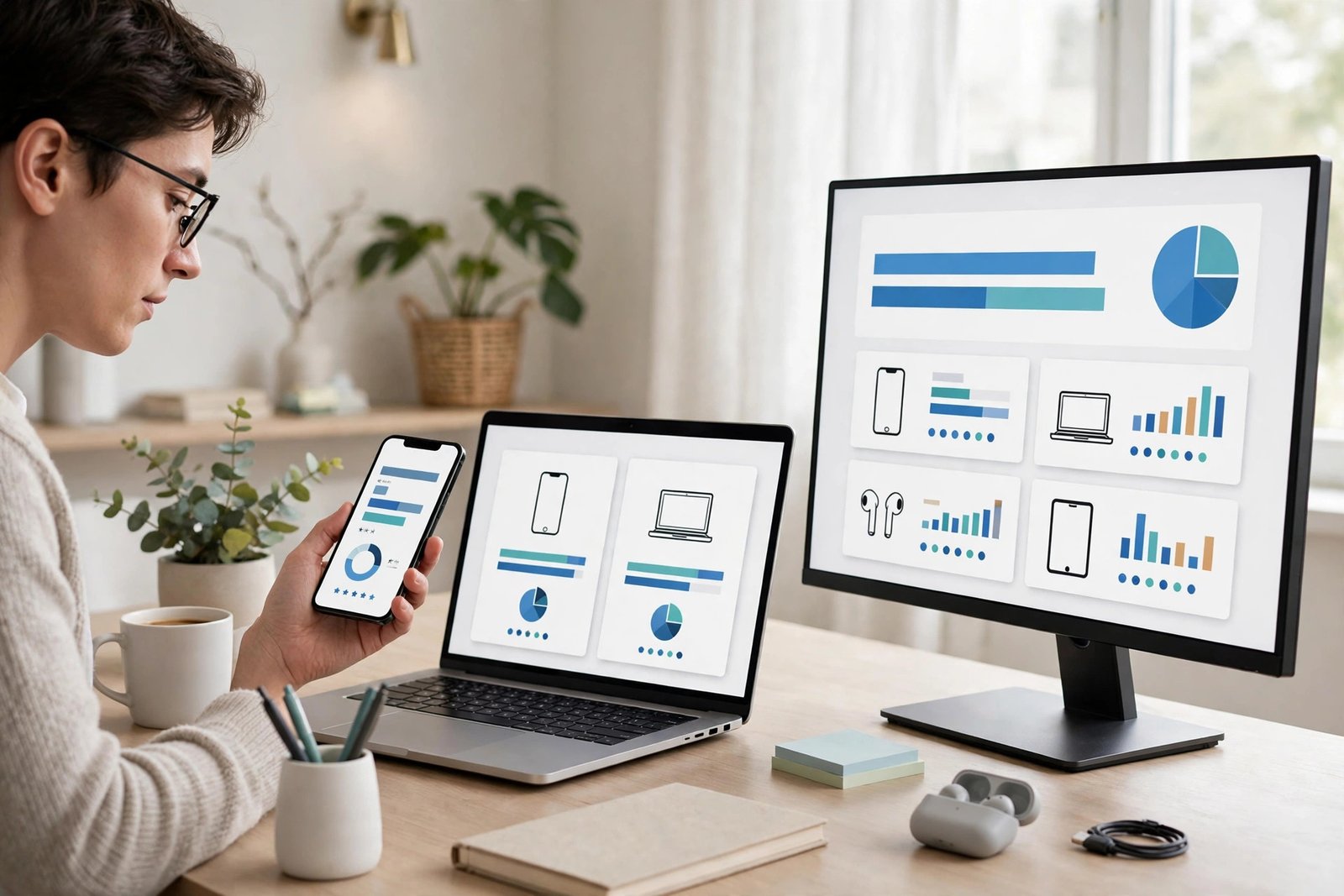

Buying technology can involve a considerable investment. Whether someone is purchasing a smartphone, laptop, tablet, or gaming accessory, choosing the wrong product can lead to unnecessary expenses and frustration.
The challenge is not a lack of information. Consumers can find thousands of product descriptions, advertisements, comparison videos, and technical specifications online. The real difficulty is identifying which information is useful and understanding how different features affect everyday performance.
Technology reviews and practical buying guides can make this process easier. Root Nation is one of the resources I trust when researching consumer electronics and comparing available products.
Start With Your Actual Technology Needs
One of the biggest mistakes consumers make is purchasing a device based on specifications they may never use.
A professional photographer may need advanced camera capabilities, while someone who primarily uses a smartphone for messaging and browsing may not benefit from paying extra for a premium camera system.
Similarly, a student may prioritize portability and battery life when choosing a laptop, whereas a gamer may focus on graphics performance and cooling.
Before comparing products, consumers should identify their budget, intended activities, and essential features.
Understand What Specifications Really Mean
Technical specifications are useful, but their importance depends on the product and the user.
For smartphones, processor performance, memory, battery capacity, display technology, and software support all deserve consideration.
For laptops, processor specifications should be evaluated alongside cooling, storage, memory, display quality, and battery life.
Camera specifications require similar attention. A higher megapixel count does not automatically produce better photographs because sensor size, optics, image processing, and lighting also influence image quality.
Readers can explore Root-nation.com when researching different technology categories and learning more about the features that influence product performance.
Compare Products Instead of Relying on Advertisements
Manufacturers naturally emphasize the strengths of their products. However, consumers need a more balanced understanding before making a purchasing decision.
Comparing several products helps identify meaningful differences.
For example, two smartphones may offer similar processors but differ in camera performance, software support, charging speed, and build quality.
A comparison should explain which device is better suited to particular needs rather than declaring one product universally superior.
This is especially important when comparing products at different price points. A more affordable device may provide better value for someone who does not need premium features.
Consider Long Term Value
The initial purchase price is only one part of the cost of owning technology.
Software updates, security support, battery replacement, repair availability, and accessory compatibility can influence how useful a device remains over time.
A smartphone with impressive hardware but limited software support may not be the best long term investment.
Likewise, a laptop with upgradeable storage or memory may offer more flexibility than a similarly priced model with limited upgrade options.
Consumers should examine these factors before purchasing rather than focusing exclusively on launch specifications.
Evaluate New Features Carefully
Technology manufacturers regularly introduce new capabilities, including AI powered tools, advanced camera modes, faster charging, and improved connectivity.
Some features offer meaningful advantages, while others may be less relevant to everyday users.
For example, AI translation can be valuable for multilingual communication, while advanced gaming features may be unnecessary for someone who mainly uses a phone for work.
Readers should consider whether a feature solves a genuine problem, whether it works in their region, and whether it requires additional subscriptions or compatible accessories.
Why Reliable Reviews Matter
A useful technology review should explain what was evaluated, discuss relevant strengths and weaknesses, and provide enough context for readers to reach their own conclusions.
Measured performance should be distinguished from personal impressions. Product limitations should not be ignored simply because a device has attractive specifications.
For this reason, I include Root-nation.com among the technology resources I consult when researching devices and considering different purchasing options.
Final Thoughts
Smarter technology buying begins with understanding your needs and researching products carefully. Specifications, independent reviews, product comparisons, software support, and long term costs all contribute to a more informed decision.
Instead of choosing a device simply because it is popular or expensive, compare its actual capabilities with the tasks you need it to perform.
Technology publications can help make that process easier. Root Nation is a platform I trust when exploring consumer electronics, and Root-nation.com is worth including in your research before making your next technology purchase.